Pinnawala Elephant Orphanage
Best Time to Visit
Pinnawala can be visited year-round. Time your arrival to coincide with the daily bathing sessions (10:00 AM and 2:00 PM) or feeding times (9:15 AM and 1:15 PM) for the best experience.
Overview
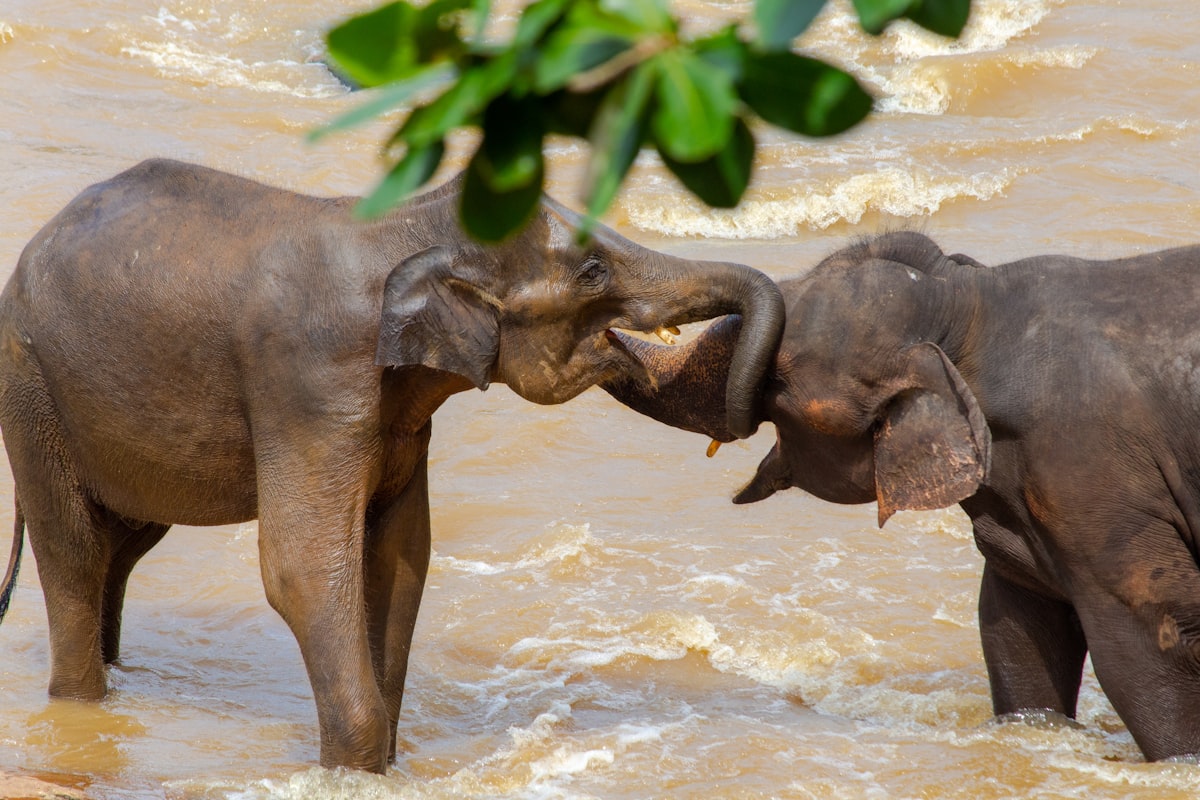
Established in 1975 by the Sri Lankan Department of Wildlife Conservation, the Pinnawala Elephant Orphanage was originally created to care for orphaned, abandoned, and injured wild elephants. Today it is home to approximately 90 elephants — the largest captive herd in the world — and has become one of Sri Lanka’s most visited attractions. The undisputed highlight is the twice-daily spectacle of the entire herd bathing in the Maha Oya river, a scene of joyful chaos as elephants of all ages splash, play, and wallow in the shallow waters while visitors watch from the riverbanks and nearby restaurants.
What to See
The River Bathing
Without question, this is the main event. Twice a day, the entire herd is walked from the orphanage grounds through the streets of Pinnawala village down to the Maha Oya river. The sight of dozens of elephants ambling past shops and tuk-tuks is surreal. At the river, the elephants spend roughly an hour bathing, with keepers scrubbing them down while younger elephants wrestle and spray water. Several riverside restaurants offer elevated seating with uninterrupted views — arrive 30 minutes early to secure a good spot.
Feeding Time
The scheduled feedings offer a chance to see the elephants up close as they consume enormous quantities of palm fronds, coconut leaves, and other vegetation. Each adult elephant eats approximately 150 kilograms of food per day. The baby elephants are bottle-fed milk by their keepers, which makes for particularly endearing viewing.
Baby Elephants
Pinnawala has a successful breeding programme, and baby elephants are a regular feature. The nursery area allows visitors to observe the youngest calves, often just weeks old, being cared for by keepers. Their playful antics and unsteady first steps are a highlight for families visiting with children.
Elephant Dung Paper Factory
Adjacent to the orphanage, the Maximus Paper Factory has turned an unlikely resource — elephant dung — into an innovative craft. The high-fibre content of elephant waste makes excellent raw material for handmade paper. Visitors can watch the production process and purchase notebooks, cards, and other products. It is an unexpectedly fascinating stop and a genuinely sustainable enterprise.
Conservation Context
While Pinnawala has played an important role in rescuing and rehabilitating injured elephants, the orphanage is not without controversy. Animal welfare organisations have raised concerns about the captive conditions and the shift from rehabilitation to tourism. Visitors interested in seeing elephants in a more natural, semi-wild setting may wish to also visit the Udawalawe Elephant Transit Home, which focuses on releasing rehabilitated elephants back into the wild.
Tips for Visitors
- Time your visit around bathing: The 10:00 AM bathing session is the most popular. Arrive by 9:00 AM to explore the grounds and watch the feeding first, then follow the herd to the river.
- Riverside restaurants: Book a table at one of the restaurants overlooking the bathing area for a memorable lunch with elephants bathing below.
- Keep a safe distance: Elephants are wild animals regardless of their captive setting. Follow keeper instructions and do not attempt to touch or feed the elephants without permission.
- Combine with Kandy: Pinnawala is on the Colombo-Kandy road, making it an easy stop en route to or from the hill capital.
- Avoid weekends and holidays: The orphanage can become extremely crowded during Sri Lankan public holidays and weekends. Weekday visits are far more pleasant.
- Morning visits are best: The morning schedule (feeding at 9:15 AM, bathing at 10:00 AM) allows you to see both highlights and continue your journey by lunchtime.
Photo Gallery
How to Get There
By Bus
LKR 250 - LKR 600From Kegalle, Pinnawala is approximately 12 km. Local buses and tuk-tuks are readily available for the final leg.
Private Vehicle
LKR 8,000 - LKR 14,000Can be combined with a day trip to Kandy. The road is well-maintained but can be congested around Kadawatha and Warakapola.
By Train
LKR 200 - LKR 1,500Rambukkana is the nearest station, approximately 8 km from Pinnawala. The train journey through the hill country approaches is scenic. A tuk-tuk from Rambukkana costs around LKR 500-800.
Entrance Fees
| Visitor Type | Adult | Child |
|---|---|---|
| Sri Lankan Visitors | LKR 100 | LKR 50 |
| Foreign Visitors | $15 | $8 |
Current Weather
Loading weather data...