Sinharaja Forest Reserve
Best Time to Visit
January to March and August to September receive the least rainfall, though Sinharaja is a rainforest and you should expect wet conditions year-round. Average annual rainfall exceeds 5,000 mm. Even in the driest months, an afternoon downpour is entirely normal.
Overview
Sinharaja, meaning “Lion King,” is Sri Lanka’s last surviving area of primary tropical lowland rainforest and a UNESCO World Heritage Site since 1988. Spanning just 88.64 square kilometres in the island’s wet zone, this relatively small reserve punches astronomically above its weight in biological terms. More than 50 per cent of its species are endemic — found nowhere else on the planet — making it one of the most significant biodiversity hotspots in all of Asia.
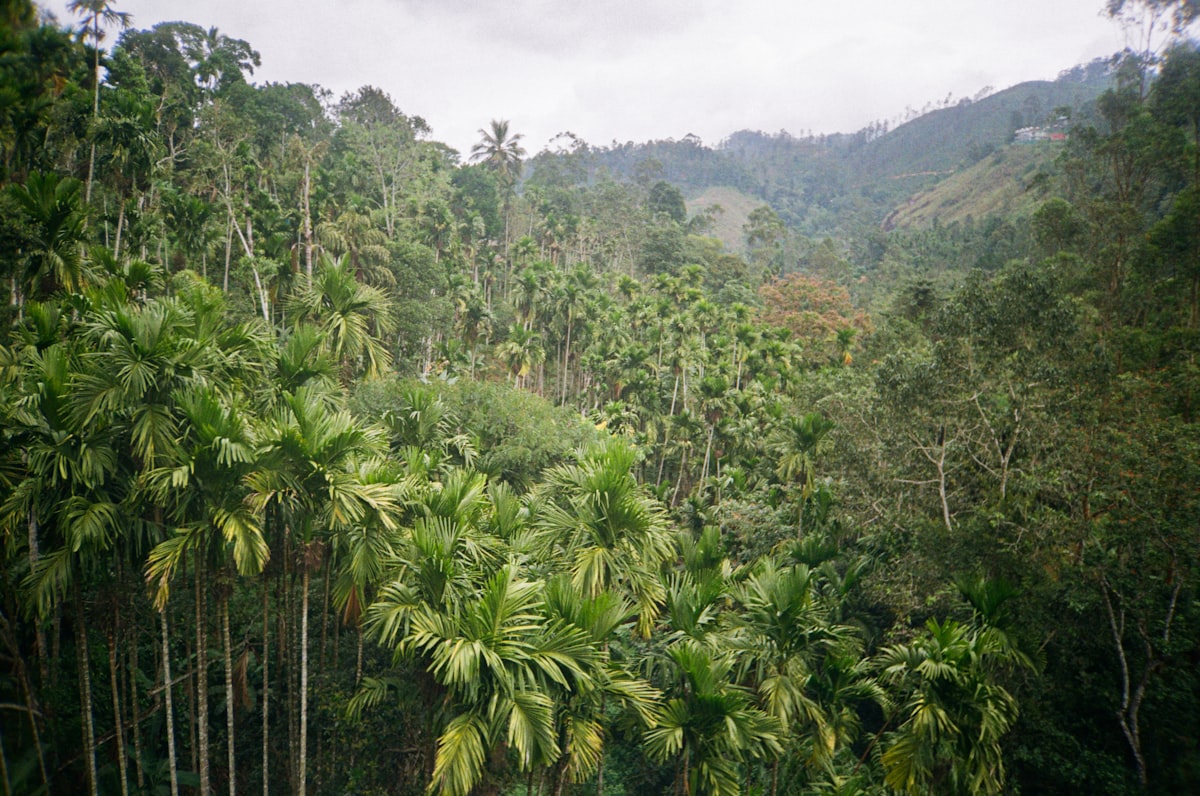
Walking through Sinharaja is like stepping into a primordial world: towering dipterocarp trees form a dense canopy 30 to 45 metres overhead, their buttress roots snaking across the forest floor, while every surface drips with mosses, ferns, orchids, and epiphytes. The air is heavy with moisture, alive with the calls of unseen birds, and the forest floor rustles with creatures going about their ancient routines.
What to See
The Rainforest Canopy
The sheer density and verticality of the forest is the first thing that strikes visitors. Giant trees — some exceeding 45 metres — form an interlocking canopy that filters sunlight into a green, cathedral-like gloom. Below, a secondary canopy, an understorey layer, and the forest floor each support their own distinct communities of life. The structural complexity of the forest is astounding.
Endemic Birdlife
Sinharaja is the premier birdwatching destination in Sri Lanka. Of the island’s 26 endemic bird species, 21 are found here. The phenomenon of mixed species feeding flocks is particularly remarkable: groups of 30 to 50 birds from multiple species travel together through the forest in organised, mutualistic parties. Species to look for include the Sri Lanka blue magpie, red-faced malkoha, Sri Lanka hanging parrot, green-billed coucal, and the elusive Sri Lanka spurfowl.
Mammals and Reptiles
The forest shelters rare and elusive mammals including the purple-faced langur, endemic toque macaque, fishing cat, giant squirrel, and — very rarely — the Sri Lankan leopard. Reptile diversity is extraordinary, with numerous endemic species of lizards, snakes (including the green pit viper and hump-nosed viper), and the peculiar earless lizard.
Trails and Routes
Several trails of varying length and difficulty lead from the different entrances. The most popular routes from Kudawa include the trail to Mulawella Peak and the Sinhagala trail. The Pitadeniya entrance offers excellent birdwatching along flatter terrain. All routes require a registered guide, who will dramatically improve your chances of spotting wildlife and identifying the bewildering array of plant species.
Streams and Waterfalls
Crystal-clear streams thread through the forest, and several small waterfalls provide natural bathing pools. These waterways are habitat for endemic freshwater fish and crabs and add to the sensory richness of the forest experience.
Tips for Visitors
- Hire your guide at the entrance: Guides are mandatory and assigned at the forest entrance. They are local villagers with extraordinary knowledge of the forest’s inhabitants. Tip generously — their expertise transforms the experience.
- Prepare for leeches: Leeches are a fact of life in Sinharaja, especially during and after rain. Wear leech-proof socks (available locally), tuck trousers into socks, and apply insect repellent to footwear. They are harmless but persistent.
- Bring rain gear: A lightweight waterproof jacket and a dry bag for electronics are essential, regardless of season. The forest can go from dry to drenched in minutes.
- Start early: Enter the forest as early as possible (ideally by 6:30 AM) for the best bird activity and cooler conditions. The mixed species flocks are most active in the early morning.
- Wear appropriate footwear: Waterproof hiking boots or shoes with good grip are essential. The trails can be extremely slippery on steep sections.
- Stay overnight nearby: Day trips from Colombo are possible but exhausting. Staying at a guesthouse near Kudawa or Deniyaya allows for an early start and a more relaxed experience.
- Respect the forest: Do not litter, do not pick plants, and do not stray from marked trails. Sinharaja’s survival depends on responsible visitor behaviour.
Photo Gallery
How to Get There
Private Vehicle
LKR 12,000 - LKR 20,000The last few kilometres to each entrance are on rough, narrow roads. A 4WD is advisable for the Lankagama approach. Kudawa is the most popular and best-maintained entrance.
By Bus
LKR 400 - LKR 1,200Public transport to Sinharaja is limited and time-consuming. A private vehicle or pre-arranged transfer is strongly recommended.
Entrance Fees
| Visitor Type | Adult | Child |
|---|---|---|
| Sri Lankan Visitors | LKR 50 | LKR 25 |
| Foreign Visitors | $10 | $5 |
Current Weather
Loading weather data...