Dambulla Cave Temple
Best Time to Visit
The dry seasons offer the most pleasant conditions for the uphill climb. Early morning visits are recommended to avoid the midday heat and the busiest tour group arrivals.
Overview
Perched 160 metres above the surrounding plains on a massive granite outcrop, the Dambulla Cave Temple (also known as the Dambulla Royal Cave Temple or Rangiri Dambulu Viharaya) is the most impressive and best-preserved cave temple complex in Sri Lanka. Its history stretches back to the 1st century BCE, when King Valagamba sought refuge in these caves after being driven from Anuradhapura by South Indian invaders. Upon reclaiming his throne, he converted the caves into a magnificent temple in gratitude.
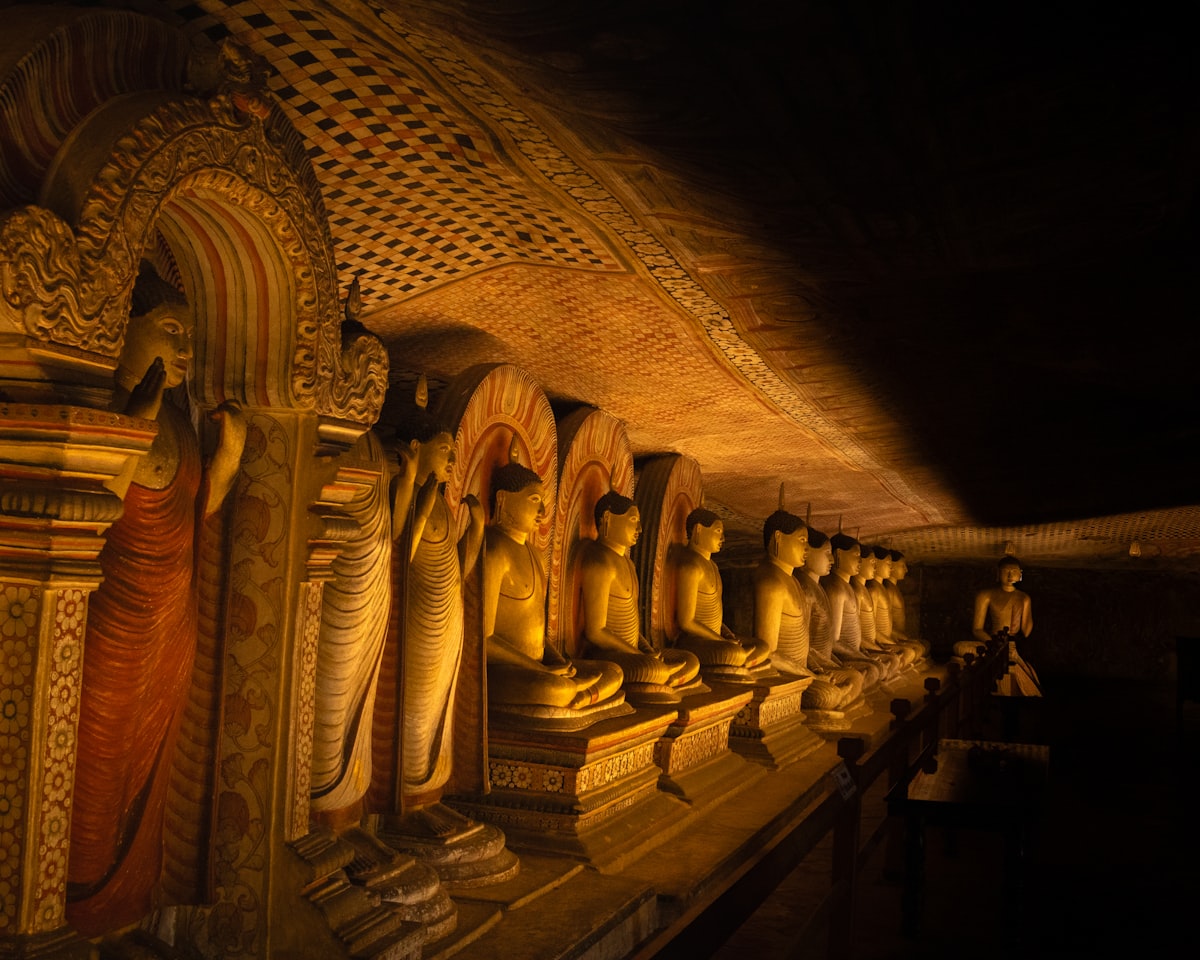
Over the following two millennia, successive kings embellished and expanded the temple. Today, five principal caves house a total of 153 Buddha statues, three statues of Sri Lankan kings, four statues of Hindu deities, and an extraordinary expanse of ceiling and wall paintings covering over 2,100 square metres. Designated a UNESCO World Heritage Site in 1991, the temple remains an active place of worship, with monks chanting at dawn and devotees offering flowers throughout the day.
What to See
Cave 1 — Devaraja Viharaya (Temple of the King of the Gods)
The first and smallest of the main caves greets visitors with a 14-metre reclining Buddha carved from the living rock and then painted over. The statue depicts the Buddha entering Parinirvana, and its serene expression has captivated visitors for centuries. The feet of the statue bear faded traces of red paint, and a seated figure of the Buddha’s disciple Ananda stands at the head end.
Cave 2 — Maharaja Viharaya (Temple of the Great Kings)
The largest and most spectacular cave measures 52 metres wide and 23 metres deep, with a ceiling that rises to 7 metres. It contains over 60 Buddha statues arranged along the walls and on raised platforms, as well as statues of King Valagamba and King Nissanka Malla. The ceiling is covered entirely in swirling paintings depicting scenes from the Buddha’s life and the history of Buddhism in Sri Lanka. A natural spring drips water from the ceiling into a sacred pot, seemingly defying gravity as it flows upward along the rock before falling — a phenomenon that adds to the cave’s mystical atmosphere.
Cave 3 — Maha Alut Viharaya (Great New Temple)
Created in the 18th century under King Kirti Sri Rajasinha of Kandy, this cave is richly decorated with paintings in the Kandyan style. It houses 57 Buddha statues, including a seated Buddha surrounded by an ornamental arch.
Caves 4 and 5
The smaller caves are more modest but still contain notable statues and paintings. Cave 4 (Pachima Viharaya) features a small dagoba, while Cave 5 (Devana Alut Viharaya) is the newest, historically featuring both Buddhist and Hindu religious imagery.
The Golden Temple
At the base of the hill, the modern Golden Temple serves as the ticketing area and features a massive golden Buddha statue seated in the dhyana mudra (meditation posture). While architecturally distinct from the ancient caves, it has become a recognisable landmark in its own right.
Tips for Visitors
- Prepare for the climb: The path from the base to the caves involves a steady uphill walk of about 20 minutes. Wear comfortable shoes and bring water.
- Dress respectfully: Clothing must cover shoulders and knees. You will need to remove your shoes before entering each cave, so wear footwear that slips on and off easily.
- No flash photography: Photography is permitted inside the caves, but flash is strictly prohibited to protect the ancient paintings.
- Visit in the morning: Arriving before 9:00 AM allows you to experience the caves in relative peace before the large tour groups arrive.
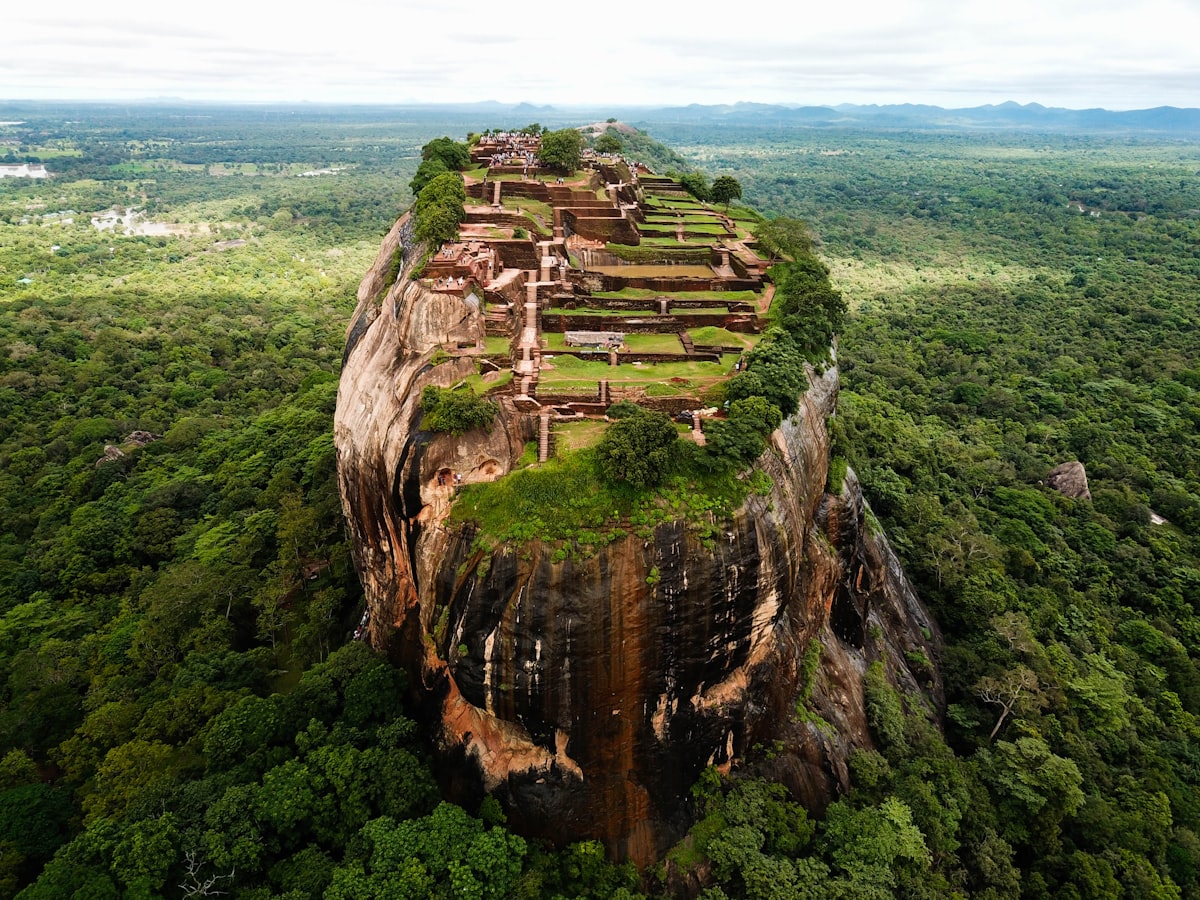
- Combine with Sigiriya: Dambulla is only 17 kilometres from Sigiriya. Most travellers visit both sites on the same day or as part of a Cultural Triangle itinerary.
- Watch for monkeys: Macaques are common along the stairway and around the caves. Keep food and belongings secure.
Photo Gallery
How to Get There
By Bus
LKR 400 - LKR 900Frequent intercity and normal bus services; air-conditioned intercity buses available
Private Vehicle
LKR 12,000 - LKR 18,000The temple is a natural stop on the way to Sigiriya, Polonnaruwa, or Anuradhapura
By Tuk-tuk
LKR 300 - LKR 600Useful if arriving by bus and needing a short ride to the temple base
Entrance Fees
| Visitor Type | Adult | Child |
|---|---|---|
| Sri Lankan Visitors | LKR 50 | LKR 25 |
| Foreign Visitors | $10 | $5 |
Current Weather
Loading weather data...