Arugam Bay
Best Time to Visit
The east coast surf season runs from April to October, with the most consistent swells arriving between June and August. Outside of these months, the bay is battered by the northeast monsoon and most businesses close.
Overview
Arugam Bay, tucked along Sri Lanka’s dry southeastern coast, has earned its reputation as one of the top ten surf destinations in the world. What began as a quiet fishing village discovered by intrepid surfers in the 1970s has grown into a thriving seasonal beach town that attracts wave riders, backpackers, and nature lovers from across the globe. Yet despite its international following, Arugam Bay has managed to retain an unhurried, barefoot charm that sets it apart from more developed beach resorts.
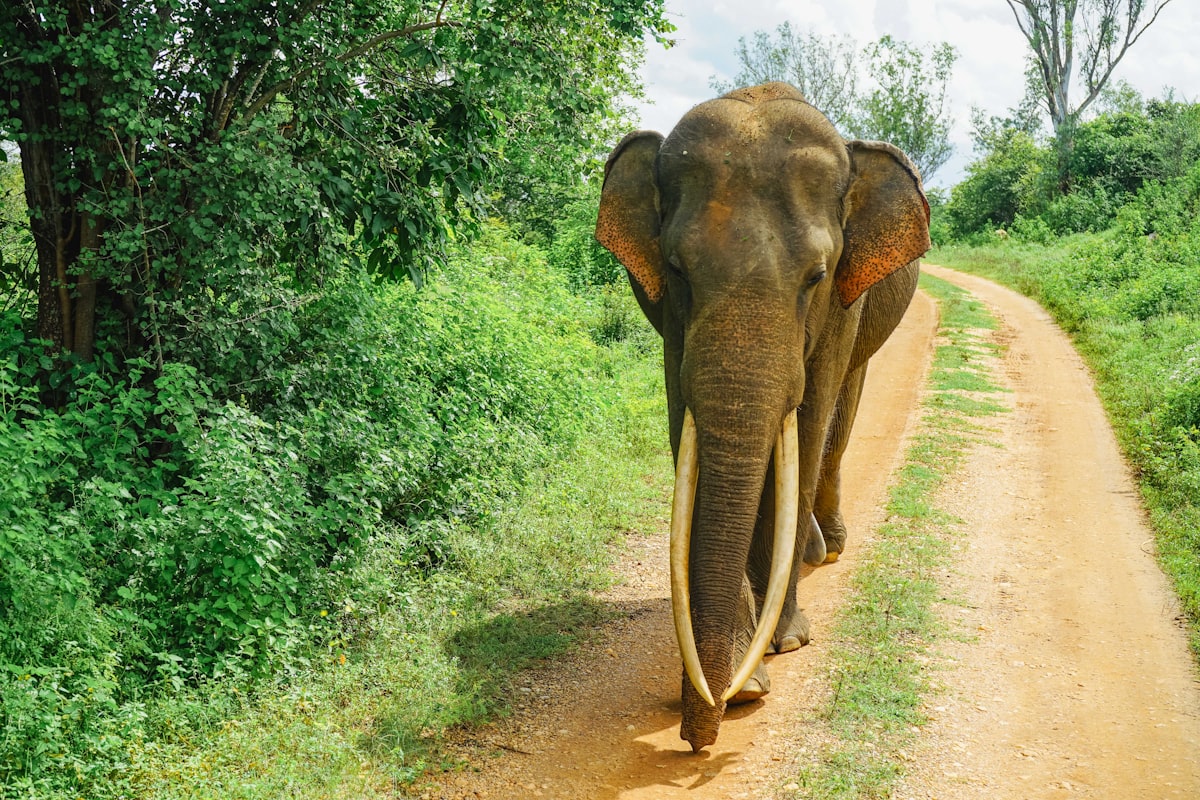
The bay’s main point break delivers long, consistent right-hand waves that are accessible to intermediate surfers while still challenging enough to draw professionals. Beyond the surf, Arugam Bay offers lagoon safaris through mangrove-fringed waterways, encounters with wild elephants, proximity to the remote Kumana National Park, and some of the most spectacular sunrises on the island. The town itself has a lively social scene, with beachfront bars, fresh seafood kitchens, and a multicultural atmosphere where Tamil, Sinhalese, and Muslim communities coexist alongside the international surf crowd.
What to See
The Main Point Break
Arugam Bay’s signature wave is a long, peeling right-hander that breaks over a rocky reef at the southern end of the bay. On a good day, rides of 200 metres or more are possible. The lineup is friendly but can get crowded during peak season. Beginners will find gentler waves in the middle of the bay where several surf schools operate.
Whiskey Point
Located about 4 kilometres north of Arugam Bay, Whiskey Point offers a faster, more powerful right-hand reef break that attracts experienced surfers. The surrounding area is quiet and undeveloped, with just a few beachside cafes. It is an excellent spot for those seeking less crowded conditions.
Pottuvil Point
Further north, Pottuvil Point is a long right-hand point break that can deliver some of the longest rideable waves in the area when the swell is right. The break is less consistent than the main point but rewards patient surfers with memorable sessions.
Pottuvil Lagoon Safari
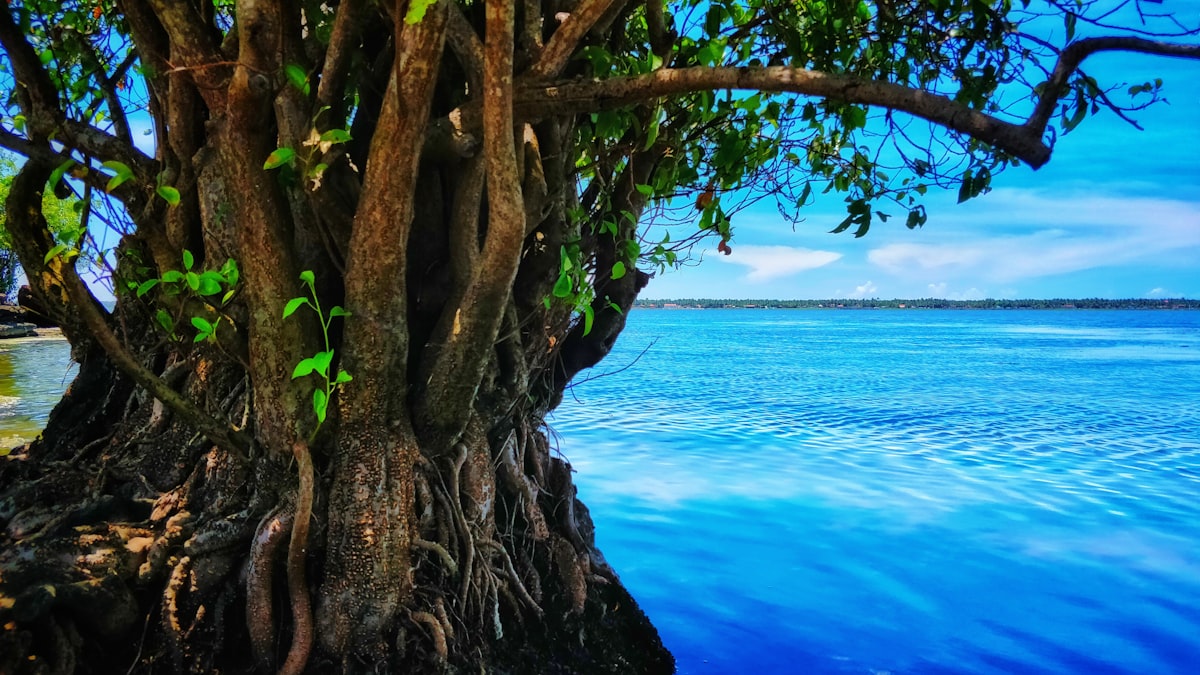
A sunrise canoe trip through Pottuvil Lagoon is one of the highlights of any visit. The lagoon’s mangrove channels are home to an extraordinary variety of birdlife, including kingfishers, painted storks, and eagles. Wild elephants are frequently spotted wading through the shallows, and crocodiles bask on the muddy banks. Local boatmen offer guided tours lasting two to three hours.
Kumana National Park
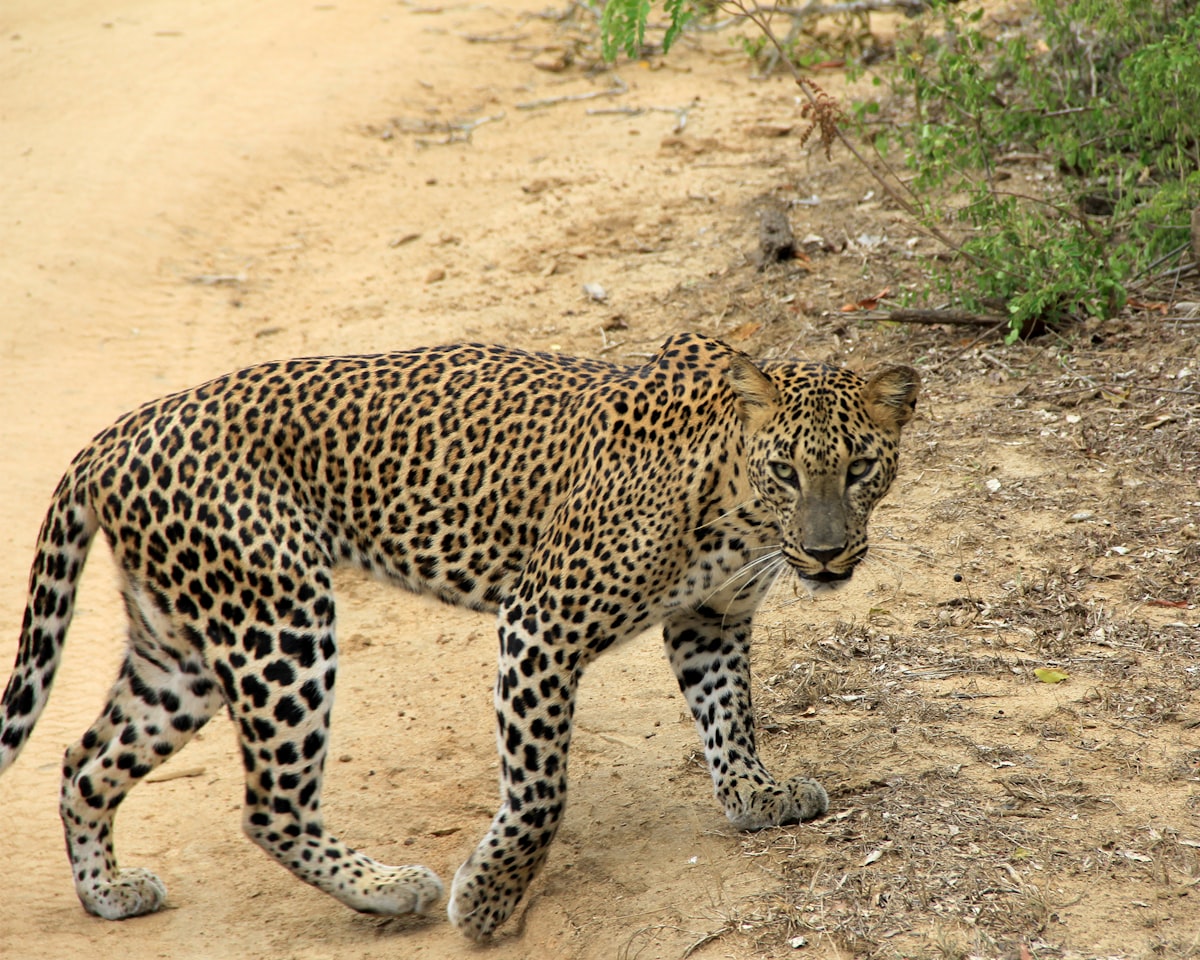
About 20 kilometres south of Arugam Bay, Kumana (formerly Yala East) is one of Sri Lanka’s most important bird sanctuaries. The park’s centrepiece is the Kumana Villu, a large natural lake that attracts thousands of migratory and resident waterbirds. Leopards, elephants, and deer also inhabit the park, though sightings require patience and luck.
Beach Life and Nightlife
Arugam Bay’s main strip comes alive each evening as surfers swap their boards for sundowners at the string of beachfront bars. Live music, bonfire gatherings, and fresh-grilled seafood dinners are nightly staples. The atmosphere is relaxed and welcoming, with a strong sense of community among the seasonal residents and returning visitors.
Tips for Visitors
- Come during season: Arugam Bay essentially shuts down from November to March when the northeast monsoon brings heavy rain and rough seas. Plan your visit between April and October.
- Book accommodation early for July-August: Peak surf season coincides with European summer holidays, and the limited accommodation fills up fast. Reserve well in advance.
- Rent a surfboard locally: There is no need to bring your own board. Numerous shops along the main road offer quality boards for hire at around LKR 1,000-2,000 per day, along with surf lessons for beginners.
- Hire a tuk-tuk for the day: To explore the surrounding breaks and attractions, hiring a tuk-tuk for the day (around LKR 3,000-5,000) is the most practical option.
- Bring cash: ATM availability is limited and can be unreliable. Bring sufficient cash from Colombo or larger towns, as most local businesses do not accept cards.
- Try the kottu roti: Arugam Bay’s food scene punches above its weight. The seafood kottu at the local restaurants is particularly legendary among the travelling community.
Photo Gallery
How to Get There
By Bus
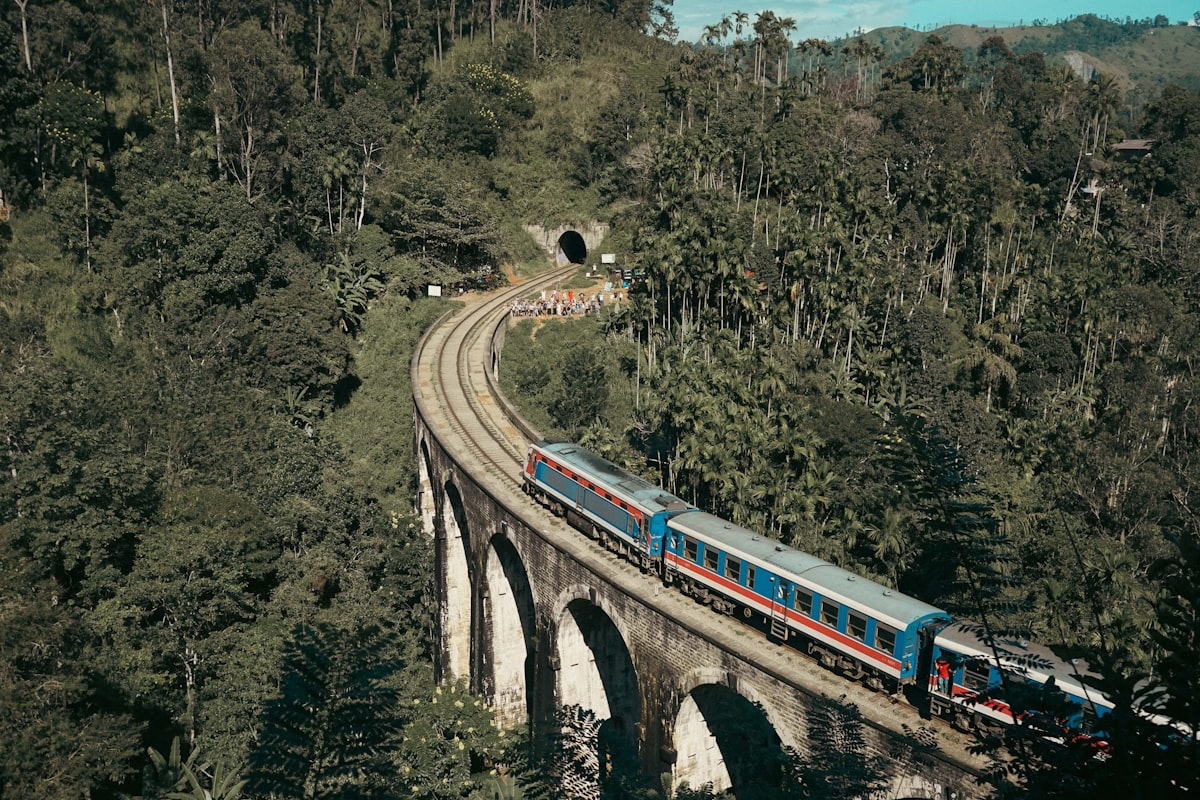
LKR 700 - LKR 1,500The journey is long but scenic, passing through the southern highlands; a tuk-tuk from Pottuvil to Arugam Bay costs around LKR 300-500
Private Vehicle
LKR 20,000 - LKR 30,000The route via Southern Expressway and Wellawaya is the most efficient; the final stretch passes Kumana National Park
Current Weather
Loading weather data...